

August 04, 2026 · 5 min read
How to run an AMA (or live event) in your community
By Amílcar GomesCommunity Management & Growth · Community Org
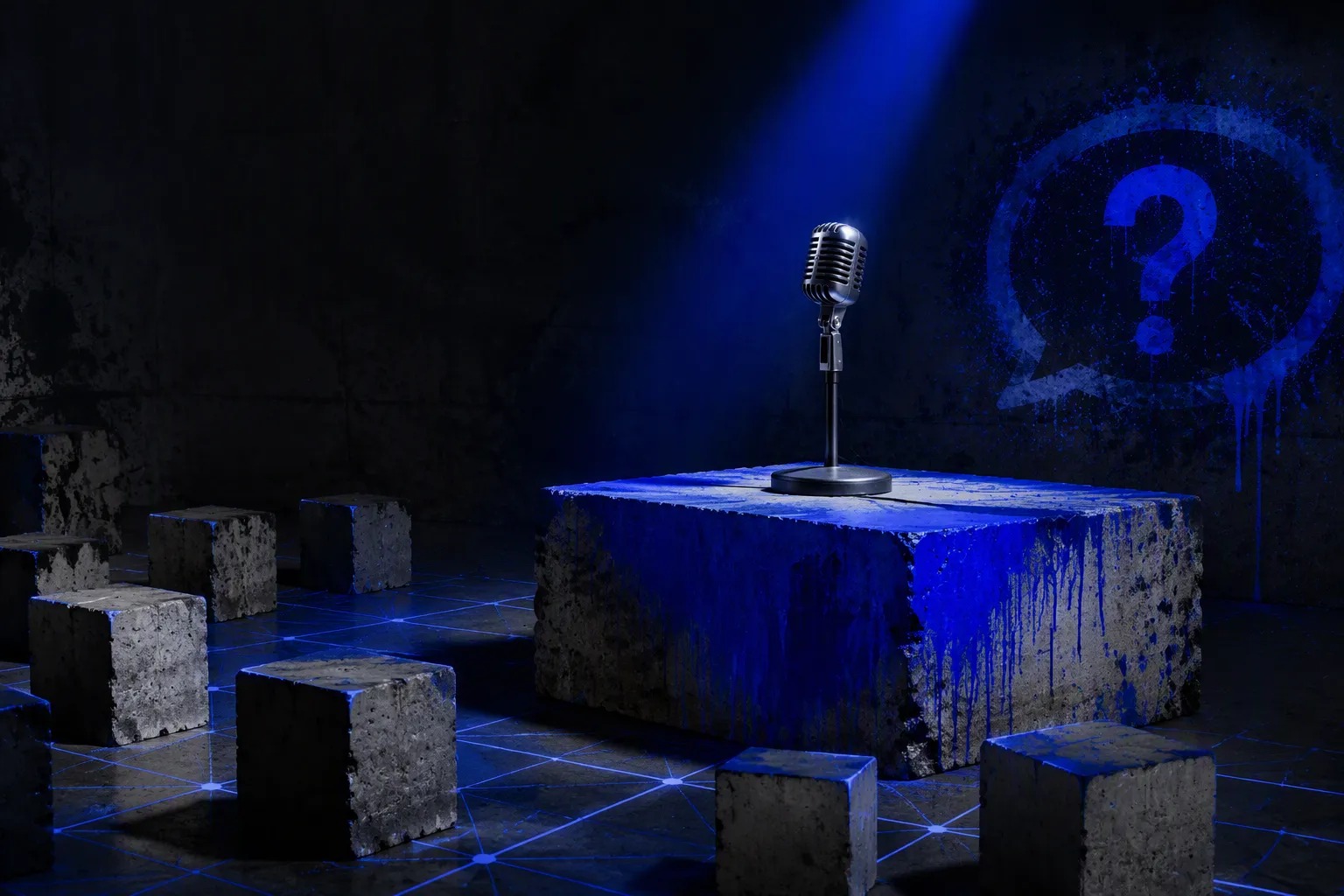
Everyone has joined an AMA that never took off: the host asks "so, any questions?" and the chat stays silent for three minutes. That doesn't happen because the audience has no questions. It happens because nobody laid the groundwork before opening the mic. A good AMA doesn't start when it starts. It starts days before.
What an AMA is (and why it works)
AMA stands for "Ask Me Anything": a live event format, in text or audio, where the community asks questions directly to someone from the brand, from the founder to a technical expert. It works because it flips the usual logic of brand communication: instead of the company talking and the audience listening, the audience drives the conversation.
This format also applies to other types of live events: a product launch with Q&A, a feedback session, monthly "office hours." The preparation logic is practically the same in every case.
The real gain isn't just engagement during the event. It's the signal it sends: "here you can ask directly and someone actually answers." That builds trust in a way no corporate post ever will.
Before the event: the preparation that decides the outcome
1. Define a specific topic or hook
A "general AMA about the company" draws few questions because nobody knows where to start. "AMA about the new feature X" or "Ask our founder anything about the company's first 2 years" gives people a concrete starting point.
2. Choose who will answer
Ideally, someone with real authority on the topic (founder, expert, the person who built the product), not just someone from the marketing team reading canned answers. The community can feel the difference between an answer thought through on the spot and a memorized one.
3. Set a date and time with most members' time zone in mind
Without this, half the community misses the event without even knowing it happened. If the community is large and spread out, consider two time slots (compatible with different time zones) or at least make it clear that it will be recorded.
4. Promote it at least 3 to 5 days in advance
A single post isn't enough. Announce it, remind people two days before, remind them on the day. On Discord and Telegram, use the platform's native event feature when available, because it sends automatic reminders to anyone who RSVPed.
5. Collect questions before the event starts
This is the step most people skip, and it's the one that best prevents awkward silence. Ask the community to send questions in advance, in a specific channel or through a poll. On the day of the event, if the chat is quiet at first, the host already has 5 or 6 questions ready to get the conversation going.
During the event: how to host it
- Start with an easy, prepared question. This breaks the initial silence and sets the expected pace.
- Have a moderator separate from the person answering. One person handles incoming questions and filters them, the other focuses on answering well. Combining both roles overloads one person and slows things down.
- Answer for real, even difficult questions. Dodging an uncomfortable question is the fastest way to drain the format's credibility. If you can't answer something, say why instead of ignoring it.
- Watch the clock. An AMA of 30 to 45 minutes is usually the sweet spot: short enough to hold attention, long enough to cover several questions.
- Repeat the question before answering (in voice format) or quote the question (in text format), so people who joined midway can follow along.
After the event: what you can't skip
Most of an AMA's value is wasted because nobody does anything with it after it ends.
- Publish a recap with the main questions and answers, pinned in the community's main channel.
- If it was in audio or video, make the recording available for anyone who couldn't attend live.
- Answer leftover questions in a separate post, if the event didn't have time for all of them.
- Note the topics that generated the most interest. These become direct input for your next piece of content, the product roadmap or the next AMA.
Common mistakes that kill an AMA
- Not promoting it far enough in advance: nobody shows up because nobody knew.
- Having no plan for the initial silence: without prepared questions, the first few minutes kill the mood.
- Answers that are too generic: if the answer sounds like a press release, the community stops asking real questions.
- Doing nothing with the content afterward: all that engagement is lost if it doesn't become a recap, a recording or the next piece of content.
- Doing it once and never again: an AMA's value grows with repetition, because the community learns to look forward to it and starts saving questions for the next edition.
The bottom line
An AMA that works doesn't depend on luck or on the community being "in the mood." It depends on preparation: a clear topic, promotion in advance, questions collected beforehand, well-paced hosting and a recap published afterward. Do this a few times in a row and the format becomes one of the strongest trust assets the community has with the brand.
At Community Org we plan and host live events for brand communities, from the first AMA to a recurring cadence that becomes a habit. If your community has never held a live event, or has tried and didn't get engagement, Talk to us and we'll help you structure it the right way.
Ready to grow with an engaged community?
Community Org builds and manages communities on WhatsApp, Discord, Telegram and social media for brands.
Book a callKeep reading
Slack community: what we learned looking inside Granola's
Case study of Granola's Slack community: channel structure, 90-day numbers, how the team responds and 7 lessons to build your own.
B2B vs. B2C community: what changes in practice
Business-to-business and brand-to-consumer communities need different platforms, pace, tone and metrics. See what changes in each one.
AI in community management: what to automate and what not to
Where AI really helps in community management (bots, summaries, triage) and where humans can't step away, with a simple way to decide.
Get community insights
Practical ideas on engagement and community management in your inbox. No spam, unsubscribe anytime.
By subscribing, you agree to our Privacy Policy.